
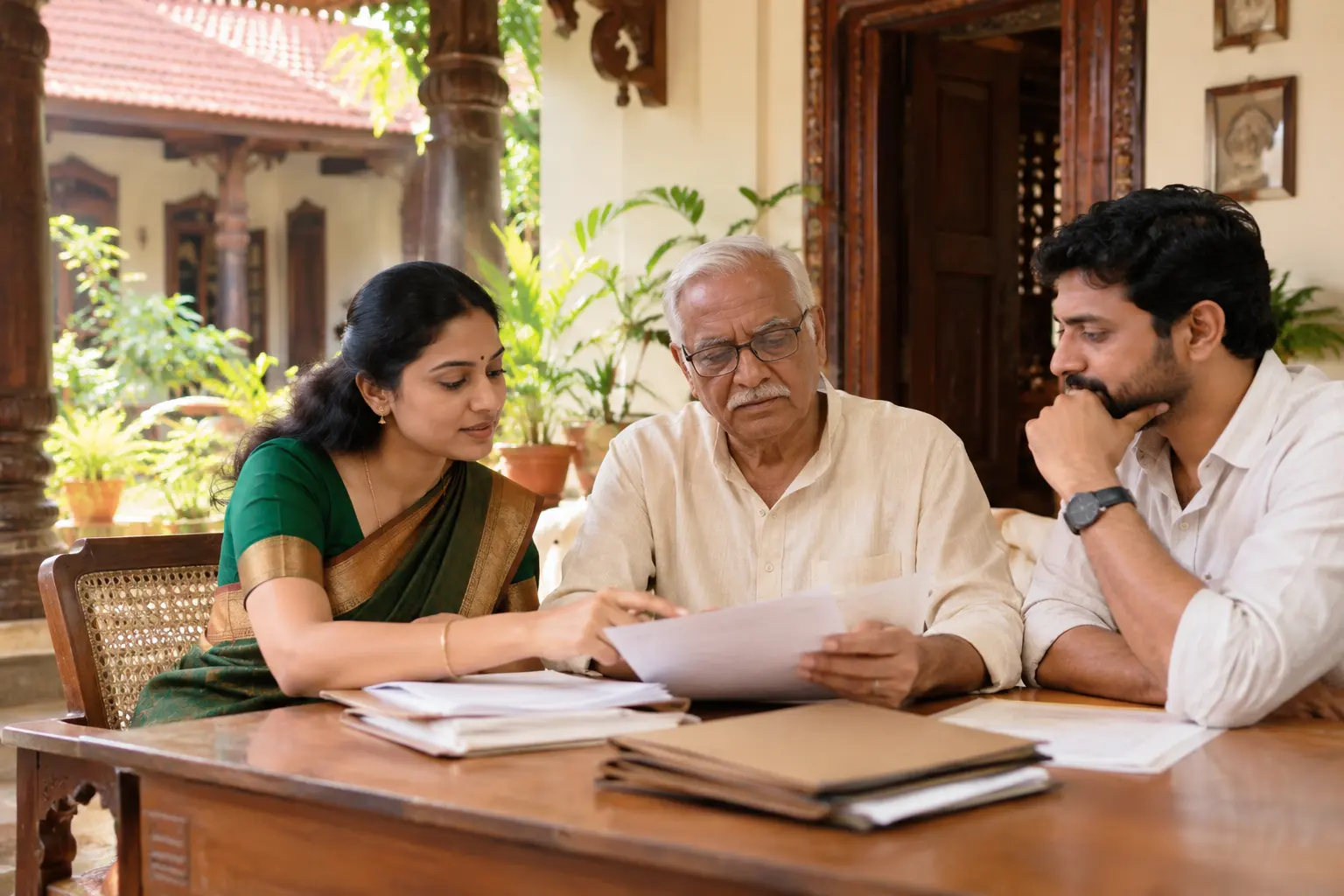
Ancestral Property Rights in India: Essential Guide
Ancestral property rights in India allow eligible family members to claim an interest in property that legally belongs to a Hindu Mitakshara coparcenary. Sons and daughters have equal coparcenary rights under the Hindu Succession Act, 1956, irrespective of their marital status.
Not every property inherited from a father or grandfather qualifies as ancestral property. Its acquisition history, previous partitions and succession records determine whether family members have an automatic birthright.
Before claiming an ancestral property share, it is essential to understand how the property passed between generations and whether previous transactions affected its ownership. This guide explains the applicable laws, ownership rights, share calculations and legal remedies available to families dealing with ancestral property disputes.
What Are Ancestral Property Rights in India?
Ancestral property rights generally arise when an individual acquires an interest by birth in property belonging to a Hindu Mitakshara coparcenary.
Ancestral property traditionally refers to property passed down through generations of a family. However, its legal classification depends on whether it retains its coparcenary character.
The Hindu Succession Act, 1956 governs inheritance and succession among Hindus, Buddhists, Jains and Sikhs, subject to certain statutory exceptions.
Key characteristics of ancestral property
- Eligible coparceners acquire an interest by birth.
- Sons and daughters have equal ownership status.
- Individual shares may change following births, deaths or partitions.
- Existing ownership interests must be respected during property transfers.
- Eligible coparceners can seek a legal partition.
Importantly, the age of a property does not establish its ancestral status. A family must examine its ownership history before determining the applicable inheritance rights.
Difference Between Ancestral and Self-Acquired Property
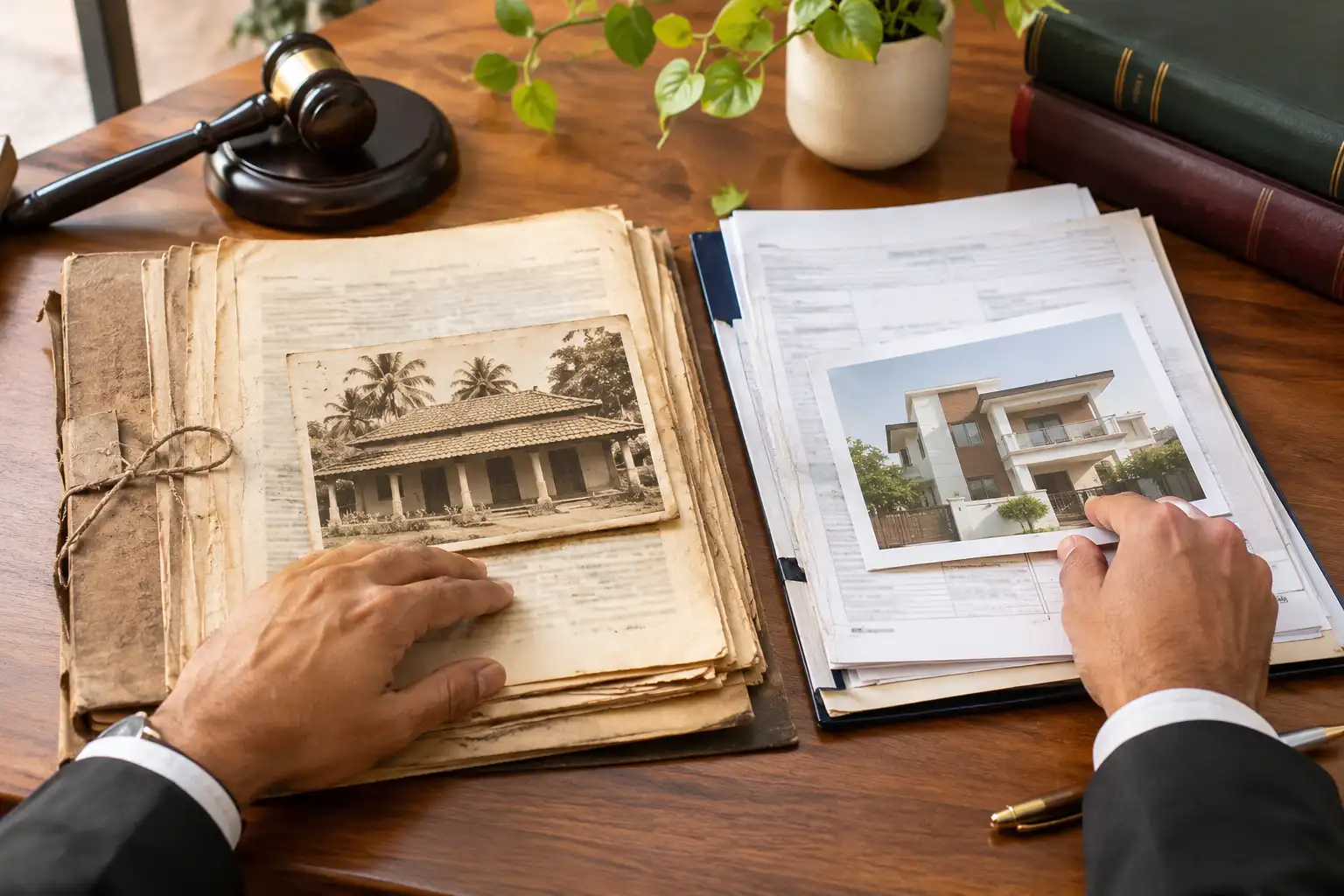
The main difference between ancestral and self-acquired property is whether family members acquire ownership rights by birth or receive property through a separate transfer.
Understanding this distinction is essential because it determines whether children can demand a share during their parent’s lifetime.
| Ancestral Property | Self-Acquired Property |
| Retains its coparcenary character | Purchased or acquired individually |
| Eligible coparceners have birthrights | Children have no automatic birthright |
| Ownership involves shared interests | Generally belongs to an individual |
| Transfers are subject to applicable restrictions | Owner generally controls transfers |
| Eligible coparceners can seek partition | Children generally cannot demand partition during the owner’s lifetime |
In Uttam v. Saubhag Singh (2016), the Supreme Court clarified that property devolving under Section 8 of the Hindu Succession Act does not automatically create a birthright for the next generation.
Therefore, inherited property is not necessarily ancestral property.
Who Has Coparcenary Rights in Ancestral Property?
Coparcenary rights give eligible members of a Hindu joint family an ownership interest by birth and the ability to seek division of coparcenary property.
Following the Hindu Succession (Amendment) Act, 2005, daughters became coparceners by birth in the same manner as sons.
Eligible coparceners may include:
- Sons of a coparcener.
- Daughters of a coparcener, including married daughters.
- Other descendants who qualify under applicable Mitakshara principles.
A wife or mother does not automatically become a coparcener through marriage or motherhood. However, she may have separate inheritance or partition-related entitlements.
In Vineeta Sharma v. Rakesh Sharma (2020), the Supreme Court confirmed that daughters have equal coparcenary status and that their father need not have been alive on 9 September 2005.
How Is an Ancestral Property Share Calculated?
An ancestral property share depends on the family structure, number of eligible coparceners, ownership history and legal events that may affect their respective interests.
The calculation is not always as simple as dividing the property’s total value by the number of children.
Factors that determine property shares
- Number of eligible coparceners.
- Births and deaths within the family.
- Previous partitions and family settlements.
- Registered release or relinquishment deeds.
- Applicable succession rules after a coparcener’s death.
- Valid wills affecting disposable property interests.
Example of ancestral property share calculation
Suppose a father, son and daughter are the only three persons entitled to shares in a coparcenary property worth ₹90 lakh at partition.
In this simplified situation:
- Father receives ₹30 lakh.
- Son receives ₹30 lakh.
- Daughter receives ₹30 lakh.
Actual shares may differ if other family members have partition-related entitlements or previous succession events affect ownership.
Families should consult qualified property lawyers in Bangalore before finalising a property division.
What Are a Daughter’s Rights in Ancestral Property?

Daughters have equal rights in ancestral property under the amended Section 6 of the Hindu Succession Act, subject to legally protected earlier partitions and transfers.
A daughter’s marriage does not remove her status as a coparcener in her parental family.
Legal rights available to daughters
- Claim a share equal to that of a similarly situated son.
- Request the partition of ancestral property.
- Retain ownership rights after marriage.
- Challenge transfers that unlawfully affect their interests.
- Dispose of their legally transferable property interests.
However, the 2005 amendment protects certain valid dispositions and partitions completed before 20 December 2004.
The documents, dates and validity of earlier transactions must therefore be examined before determining a daughter’s entitlement.
How Does Partition of Ancestral Property Work?
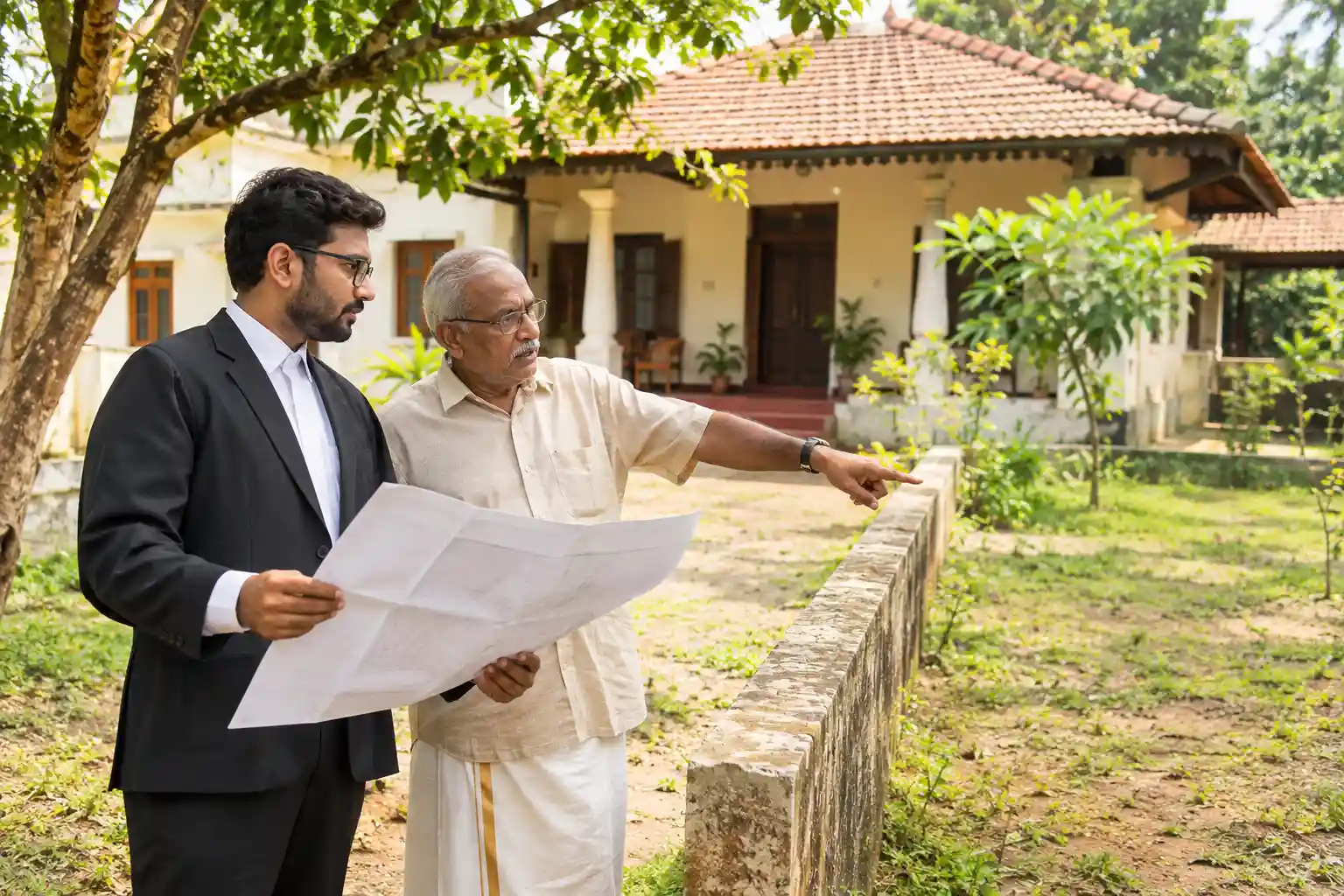
Partition of ancestral property allows eligible family members to separate their ownership interests through a mutual agreement or a legally binding decision from a civil court.
Families can generally choose between two approaches.
1. Partition through mutual agreement
When everyone concerned agrees to divide the property, the family can prepare a partition deed or an appropriate family settlement.
The process usually involves:
- Identifying the property and eligible parties.
- Calculating the respective ownership shares.
- Agreeing on the division of assets.
- Preparing the necessary legal documents.
- Completing applicable registration and stamp-duty requirements.
- Updating municipal and revenue records.
For properties in Bengaluru, understanding the requirements for a partition deed in Bangalore can help families avoid documentation errors.
2. Partition through a civil court
When family members cannot agree, an eligible coparcener may file a partition suit.
Depending on the dispute, the court may:
- Determine the property’s ownership.
- Identify each person’s legal share.
- Examine disputed documents and transfers.
- Issue a preliminary decree declaring shares.
- Pass a final decree completing the division.
Court proceedings may take considerable time, particularly when ownership itself is disputed.
Can a Father Sell Ancestral Property Without Consent?
A father cannot ordinarily sell an entire coparcenary property as his exclusive asset when other family members already hold legally recognised interests in that property.
However, a karta, or manager of a Hindu joint family, may transfer joint family property in certain circumstances.
These may include:
- Legal necessity, such as essential family expenses.
- Transactions benefiting the joint family estate.
- Indispensable family or religious obligations recognised by law.
An affected coparcener may challenge an unauthorised transfer. The outcome depends on the property’s classification, the seller’s authority and the purpose of the transaction.
Documents Required to Prove Ancestral Property Ownership
Reliable documents help establish rights in ancestral property by showing how ownership passed between generations and whether earlier transactions altered the property’s legal character.
Important documents include:
- Original title deeds and previous ownership records.
- Registered partition deeds and family settlements.
- Death certificates and family tree records.
- Wills, gift deeds and relinquishment deeds.
- Encumbrance certificates and revenue records.
- Relevant court judgments or decrees.
Property owners can refer to this property documents checklist when preparing for ownership verification.
For families in Karnataka, revenue and municipal records can support the review, but they do not independently establish conclusive ownership.
Prashastha Legal’s Perspective: Verify Ownership Before Claiming a Share
The most effective way to protect ancestral property rights in India is to establish the property’s legal character before calculating shares or beginning legal proceedings.
At Prashastha Legal, the recommended approach is to:
- Trace the property’s ownership across generations.
- Identify eligible coparceners and other legal heirs.
- Review previous transfers and partitions.
- Determine ownership interests before pursuing a settlement.
This evidence-first approach can help families avoid unnecessary litigation and make informed decisions.
Protect Your Property and Inheritance Rights
Facing an inheritance dispute, disputed sale or disagreement over family property? Prashastha Legal provides assistance with ownership verification, family settlements, partition suits and property disputes in Bangalore, Karnataka.
Frequently Asked Questions About Ancestral Property Rights in India
Understanding ancestral property rights in India can help families protect their inheritance, determine their legal shares and resolve ownership disputes. Here are answers to common questions about coparcenary rights, property partition and the inheritance rights of sons and daughters.
1. Who can claim ancestral property rights in India?
Eligible coparceners, including sons and daughters, can claim an interest in Mitakshara coparcenary property. Other family members may have separate inheritance rights under the applicable succession laws.
2. Can a married daughter claim rights in ancestral property?
Yes, a married daughter has the same coparcenary rights as a son under the Hindu Succession Act, 1956, subject to legally protected earlier partitions and transfers.
3. How is an ancestral property share determined?
An ancestral property share depends on the number of eligible coparceners, previous partitions, family structure and applicable succession laws. Sons and daughters generally have equal coparcenary rights.
4. Can grandchildren claim coparcenary rights in ancestral property?
Yes, grandchildren may acquire coparcenary rights by birth if the property retains its coparcenary character. However, individually inherited property does not automatically create such rights.
5. Can a father refuse the partition of ancestral property?
A father cannot necessarily prevent an eligible coparcener from seeking partition. If family members cannot reach an agreement, the claimant may file a partition suit before the appropriate civil court.
6. Can ancestral property be transferred through a will?
A coparcener can transfer their legally disposable interest through a valid will. However, they cannot transfer the shares legally belonging to other coparceners.
7. Is there a time limit for claiming rights in ancestral property?
The limitation period depends on the nature of the claim, previous transfers and whether the claimant has been excluded from the property. Each case requires an assessment of its specific circumstances.
8. Can a mother claim an ancestral property share?
A mother does not automatically become a coparcener through motherhood. However, she may be entitled to a property share under applicable inheritance or partition rules, depending on the family circumstances.