Essential Marriage Registration Process in India
The marriage registration process in India records a valid marriage with the appointed registrar or Marriage Officer. After registration, the couple receives a marriage certificate. This certificate acts as official proof of marriage.
A couple usually applies online or offline, uploads documents, appears before the registrar, signs the register, and completes witness verification. The exact register marriage formalities depend on the law, state rules, and marriage type.
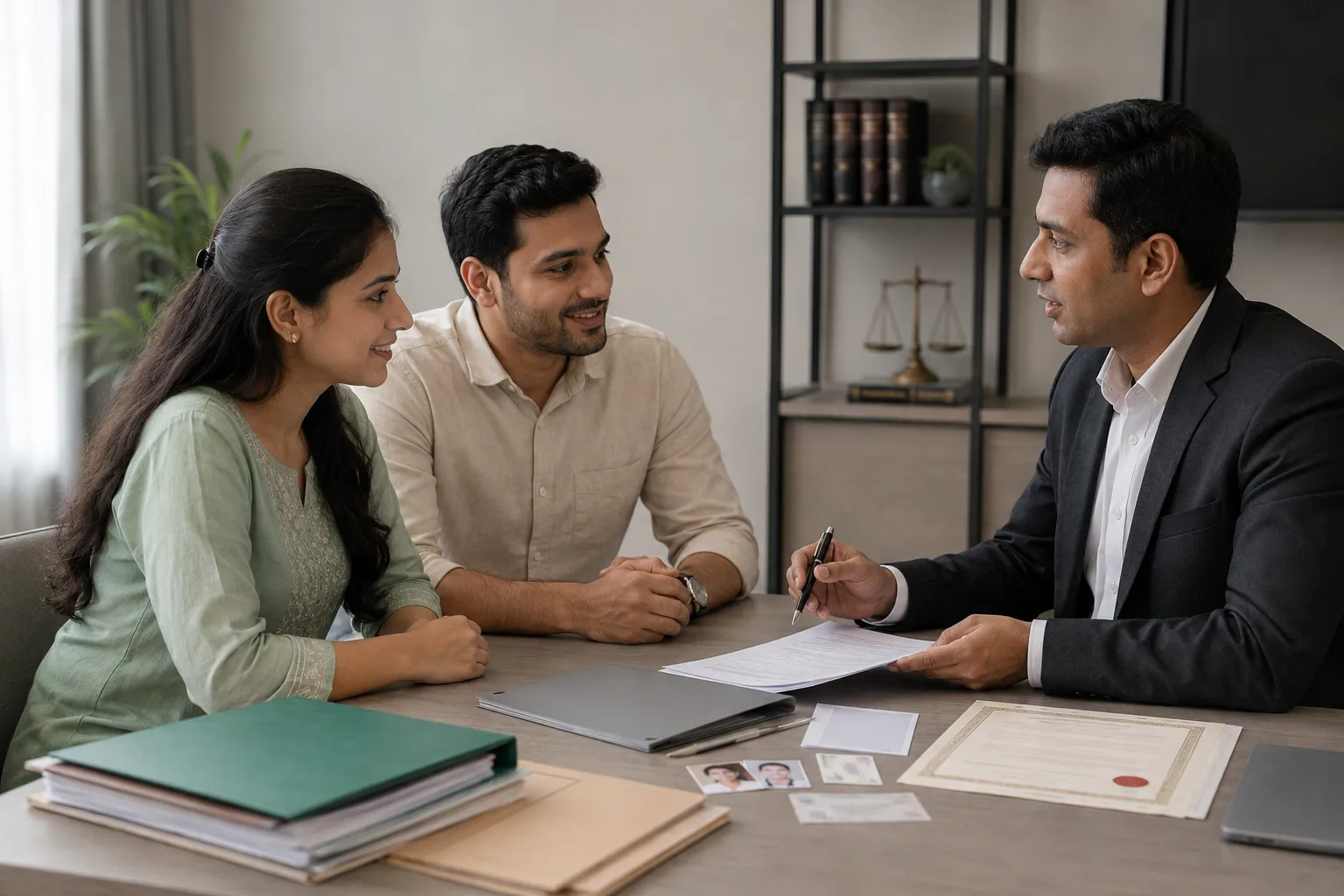
The common documents required for marriage registration include identity proof, age proof, address proof, photographs, wedding proof, and witness documents. Some couples also need an affidavit, divorce decree, death certificate, or other proof of marriage documents.
Marriage registration helps with passport updates, visa applications, bank records, insurance claims, property matters, and family law issues. For passport reissue cases, Passport Seva lists a marriage certificate for spouse name updates as one accepted document. Still, registration does not create a valid marriage by itself. It records a marriage that already meets legal requirements.
What the marriage registration process means in India
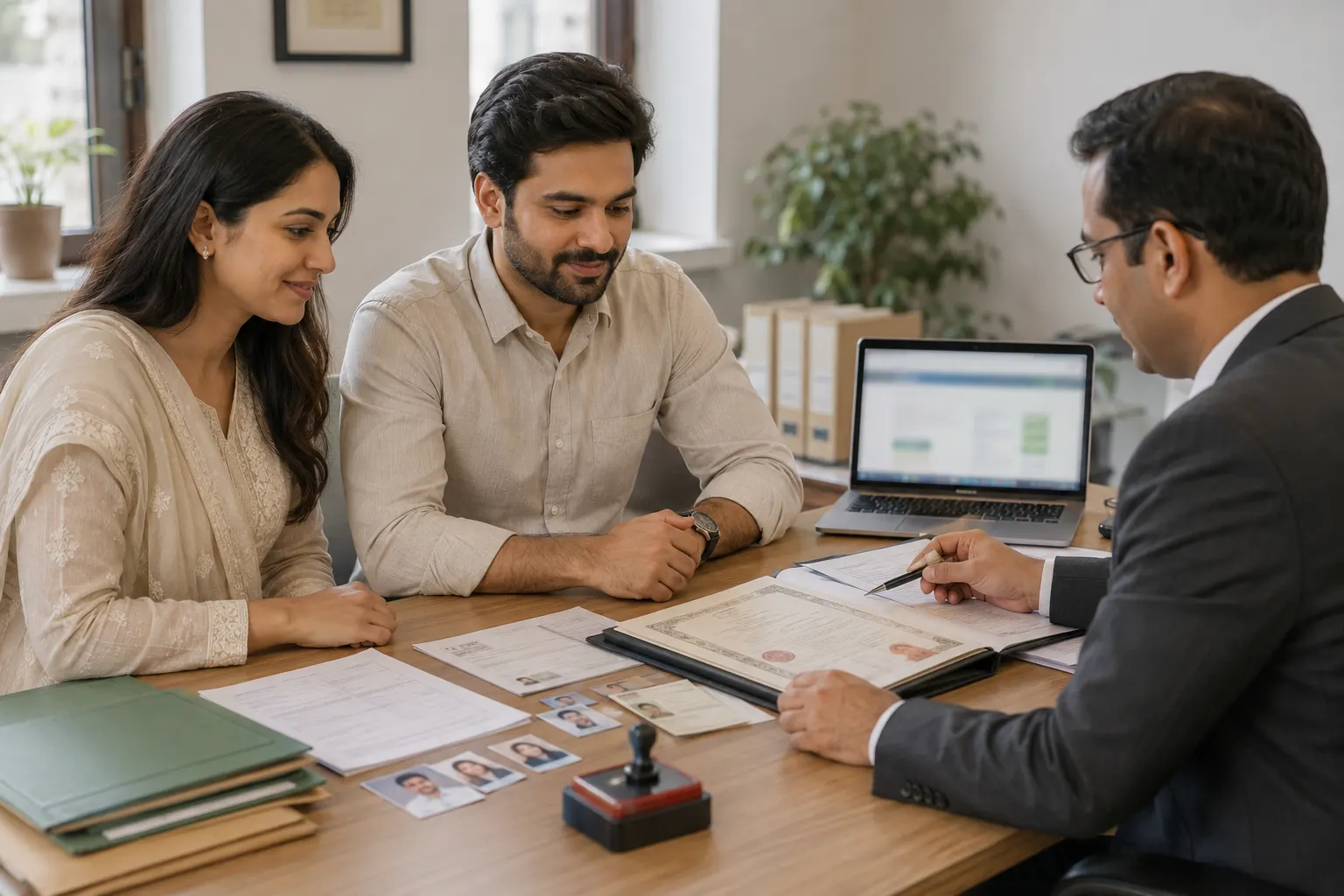
The marriage registration process creates an official government record of a marriage. The registrar verifies the couple, documents, witnesses, and legal eligibility.
Once approved, the authority issues a marriage certificate. It may carry the signature, digital approval, or marriage registrar seal. Couples should check every detail before accepting it.
The process differs across states. Some states allow online filing. Others still need physical appearance at the Sub-Registrar office.
When couples need marriage registration
Couples usually register marriage in India for legal, personal, and official needs. A certificate helps prove marital status before Indian and foreign authorities.
You may need it for a passport, visa, spouse name update, immigration, joint bank account, insurance, or property records. It also helps during disputes involving maintenance, inheritance, custody, or divorce.
For many couples, the certificate becomes useful years later. That is why early registration avoids future stress.
Marriage registration process under Indian laws
The marriage registration process depends on how the marriage took place.
Under the Hindu Marriage Act, 1955, a Hindu marriage usually happens through valid ceremonies. Registration then records that marriage. The law allows state rules for entering marriage details in a Hindu Marriage Register.
Under the Special Marriage Act, 1954, couples can marry before a Marriage Officer. This route is common for interfaith, inter-caste, or civil marriages. It also applies when couples prefer a non-religious legal process.
The Special Marriage Act includes notice, waiting period, witness declaration, solemnization, and certificate entry. If an already performed marriage meets conditions, it may also be registered under that Act.
Register marriage formalities couples should know
The register marriage formalities look simple on paper. In practice, small document gaps can delay the certificate.
Usually, both parties must appear before the registrar. They must carry original documents and self-attested copies. Witnesses must also appear with valid identity and address proof.
The registrar checks age, address, marital status, photographs, and proof of the ceremony. For Special Marriage Act cases, the Marriage Officer may also check notice period and objections.
If one party was married earlier, extra documents become essential. A divorce decree after mutual consent divorce or death certificate may be needed.
Documents required for marriage registration
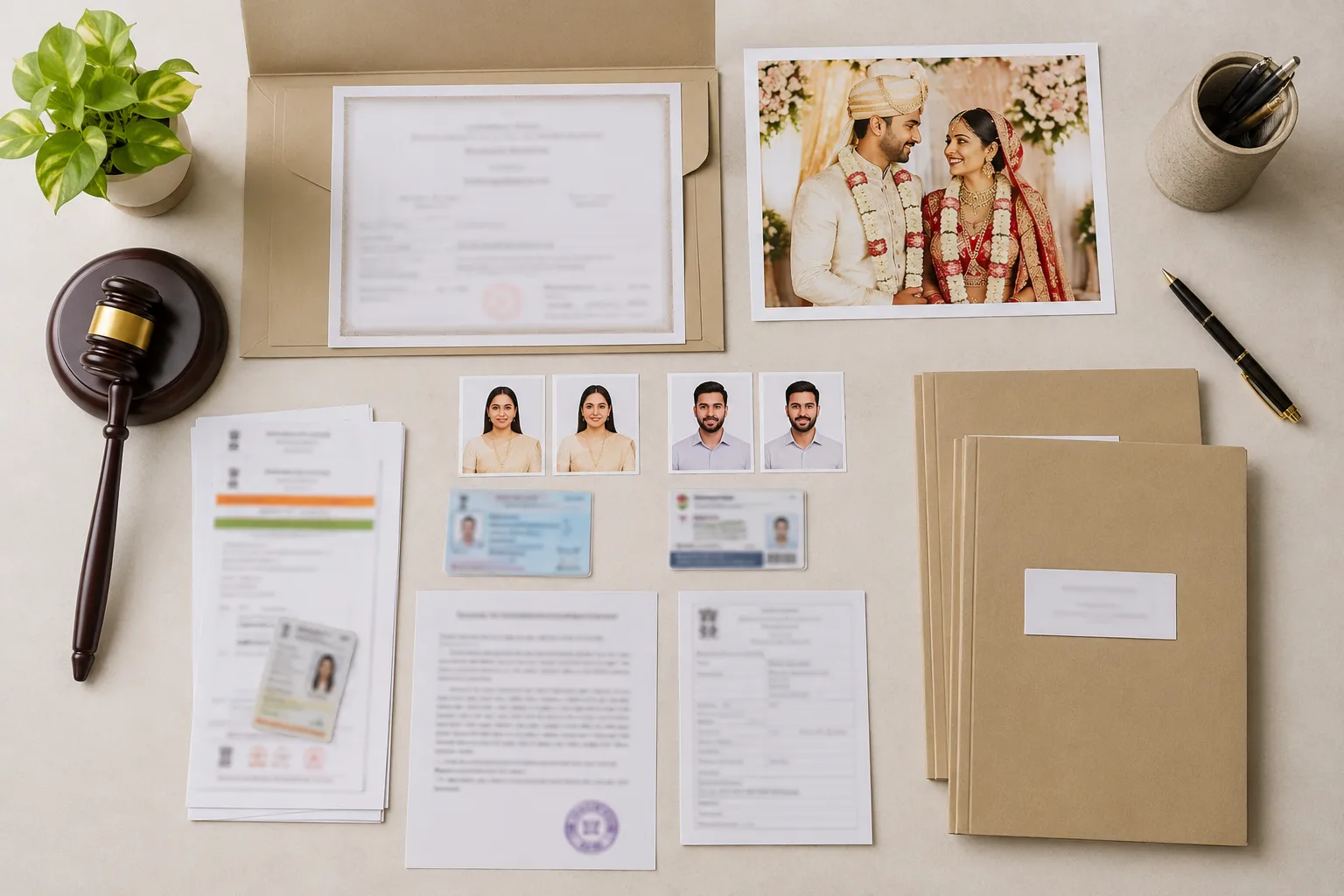
Keep documents ready before filing. This reduces objections and repeat visits. Couples preparing for a civil marriage can also review the documents required for court marriage to understand witness and affidavit needs better.
The list below covers common documents. States may ask for extra papers based on local rules.
| Requirement | Common documents |
| Identity proof | Aadhaar, PAN, passport, voter ID, driving licence |
| Age proof | Birth certificate, school certificate, passport |
| Address proof | Aadhaar, rental agreement, utility bill, passport |
| Marriage proof | Wedding card, joint photo, ceremony photos |
| Witness proof | ID and address proof of witnesses |
Some offices may ask for an affidavit. It may confirm marital status, nationality, date of marriage, and place of marriage.
For online applications, scan documents clearly. Blurred images can lead to rejection. Names and dates must match across all records.
Marriage certificate procedure online and offline

The marriage certificate procedure usually starts with choosing the correct Act. The couple then selects the local registrar based on residence or place of marriage. This first step is important because the wrong Act or office can delay the complete application.
For online filing, visit the state or municipal portal. In Karnataka, the Department of Stamps and Registration directs applicants to the Kaveri online portal for marriage certificates. For offline filing, visit the registrar office, submit the form with documents, and keep the fee receipt safely for verification.
On the appointment date, both parties and witnesses appear before the registrar. The registrar verifies details, records signatures, and processes the certificate. In some cities, the certificate arrives digitally, while other offices issue a signed physical copy. Always verify spelling, dates, addresses, and parent names.
Register marriage rules that affect approval
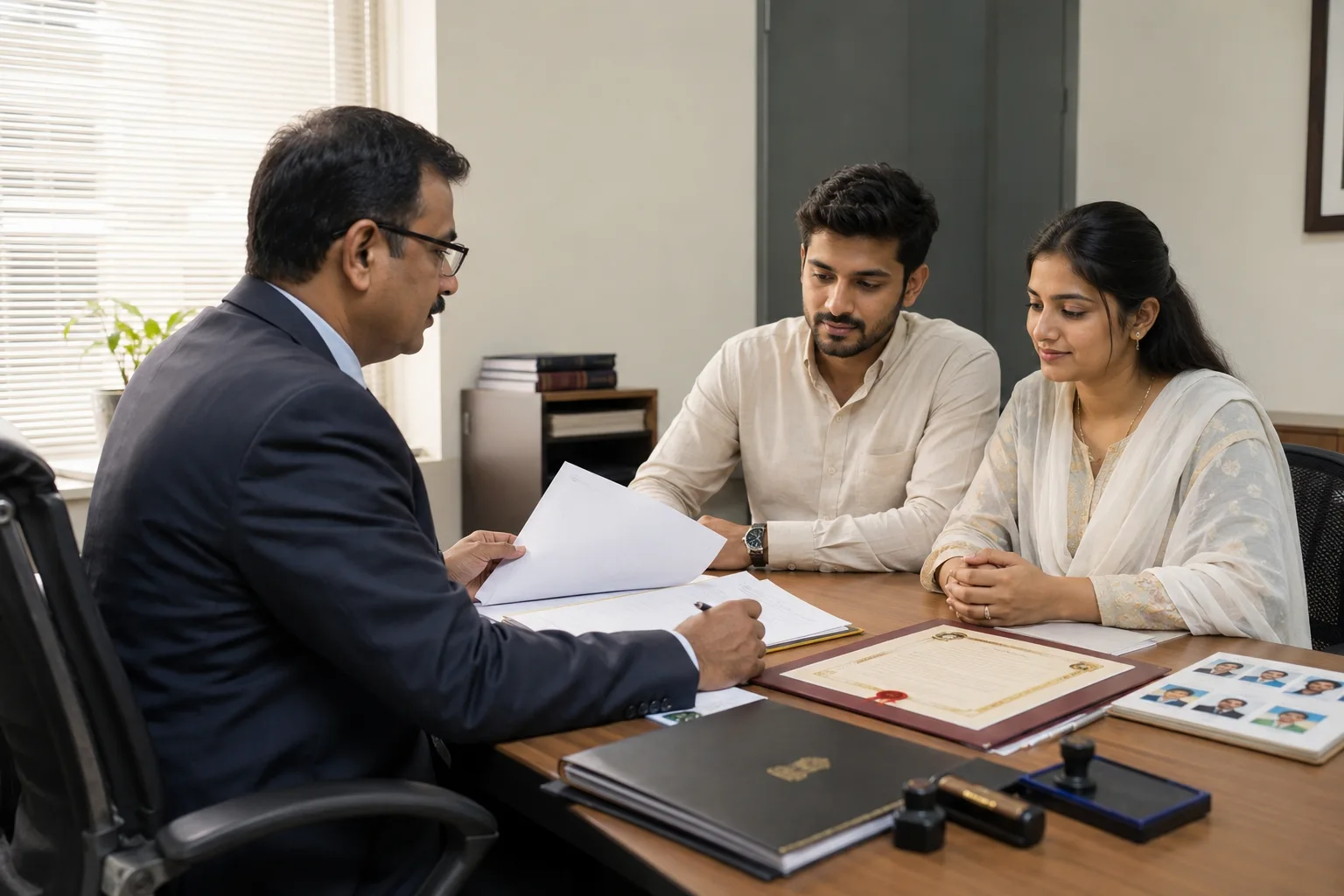
Register marriage rules focus on identity, age, consent, existing marital status, and prohibited relationships. The general legal age is 21 years for men and 18 years for women. For age-related risks, couples should understand the basics of child marriage law in India.
Both parties must give valid consent and should not have a living spouse, unless a specific personal law exception applies. If a person marries again while the first marriage remains valid, it may raise a bigamy law issue in India. These checks help the registrar confirm legal eligibility before approval.
Under Hindu law, ceremonies matter because registration records an already valid marriage. A certificate cannot replace essential marriage rites when the law requires them. Under the Special Marriage Act, the 30-day notice rule usually applies before solemnization. Couples should plan early if they need the certificate for travel, visa, or official work.
Timeline and fees for marriage registration
Timelines vary by state, city, and the type of marriage registration chosen. A simple registration may finish within a few days after document verification. Special Marriage Act cases usually take longer because the law includes a notice period.
Fees also vary because each state or local authority may follow its own schedule. Government fees are usually modest, but extra charges may apply for late registration, certified copies, urgent service, or local portal charges. Couples should keep the payment receipt until they receive the certificate.
Do not rely only on generic fee blogs because local charges may change. Check the current state portal or registrar office before applying. This helps you avoid wrong payment, repeat visits, and appointment delays.
Common reasons for delay or rejection
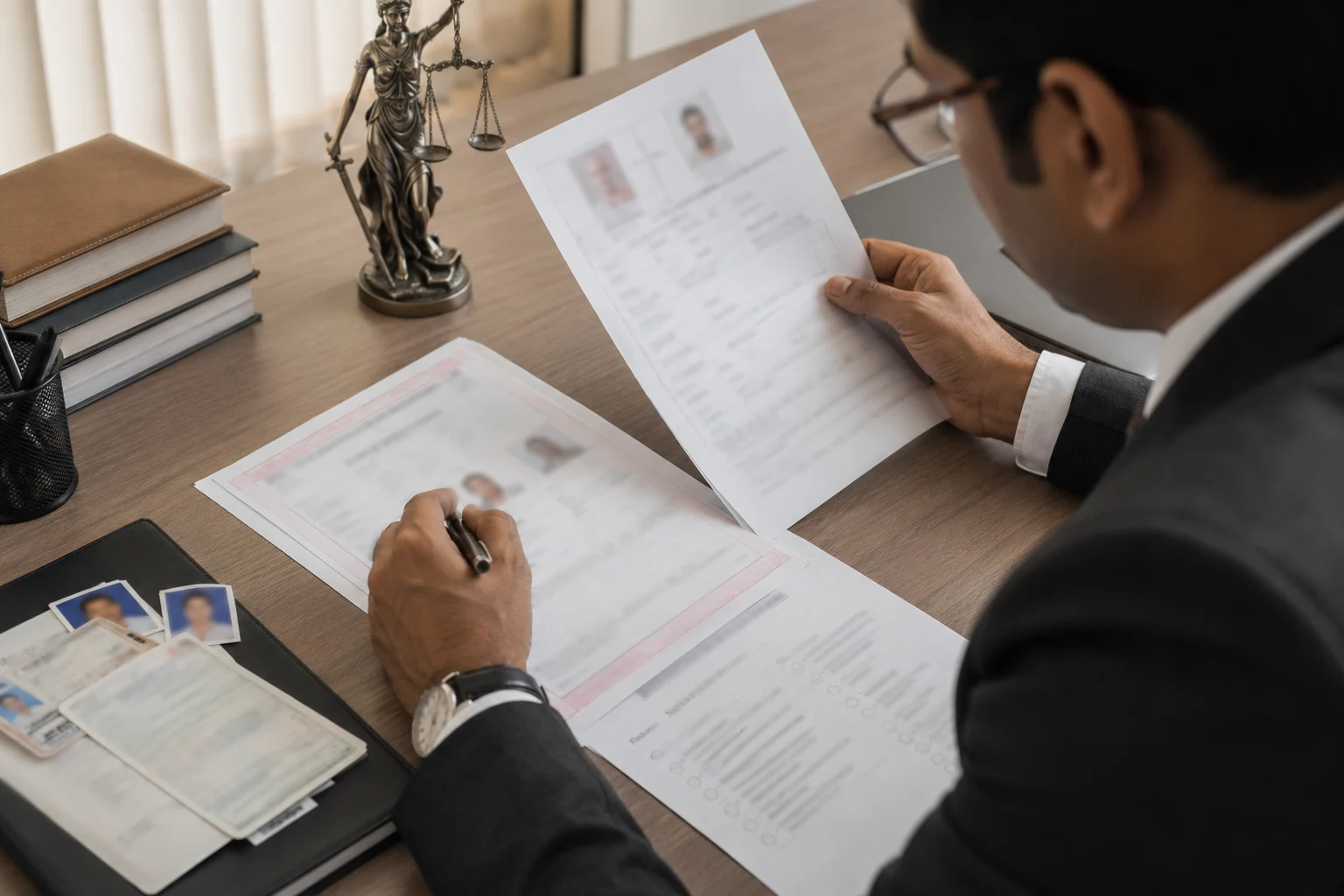
Most delays happen because documents do not match across records. A name spelling difference, wrong date of birth, or old address can create trouble. Couples should compare all documents before they submit the application.
Address proof and witness issues also cause many appointment delays. Some offices insist on current local residence proof. Witnesses should carry original documents, valid ID proof, and address proof, and they must appear on time.
Wrong Act selection creates bigger problems because each route follows a different legal process. A Hindu ceremony case and Special Marriage Act case do not work the same way. Weak proof of marriage documents can also delay approval, so keep wedding photos, invitation, priest details, and joint photos ready.
Prashastha Legal Brand Take
Many couples treat the marriage registration process like a simple certificate task. That approach often creates avoidable delays. A missing affidavit, wrong office, or weak document proof can slow the entire process.
The real issue is not the form. The real issue is legal fit. The right Act, correct documents, proper witnesses, and clean identity records matter more. When these points are clear, the registrar can verify the application with fewer objections.
At Prashastha Legal, the practical view is simple. Couples should not wait until a visa deadline, property dispute, or family conflict appears. For sensitive family law concerns, couples can also seek guidance from experienced divorce lawyers in Bangalore. Register early, verify details, and keep certified copies safe. This gives couples stronger proof when official or legal needs arise later.
A marriage certificate is small. Its legal value can become very large. It can support identity updates, family rights, immigration records, and future legal claims
FAQs on the marriage registration process in India
These FAQs answer the common questions couples ask before starting marriage registration. They cover documents, online filing, witness needs, timelines, and certificate use in simple terms.
1. What is the marriage registration process in India?
The marriage registration process is the official recording of a valid marriage. The couple applies, submits documents, appears with witnesses, and receives a marriage certificate after verification.
2. What documents are required for marriage registration?
You usually need ID proof, age proof, address proof, photos, application form, marriage proof, and witness documents. Some cases need an affidavit or divorce decree.
3. Can I register marriage in India online?
Yes, many states allow online applications. You may still need to visit the registrar office for verification, signatures, and witness appearance.
4. Is marriage registration compulsory in India?
Marriage registration is strongly required under many state rules. It also protects legal rights. Even where rules vary, couples should register the marriage.
5. How long does the marriage certificate procedure take?
It depends on the state and marriage type. Simple cases may finish in days. Special Marriage Act cases usually need a 30-day notice period.
6. Are witnesses required for register marriage formalities?
Yes, witnesses are usually required. Special Marriage Act cases require three witnesses. Some state portals may ask for two or three witnesses.
7. Can I get a certificate without a wedding card?
Usually yes, if other proof is strong. Offices may accept wedding photos, joint photos, priest details, affidavits, or other ceremony proof.
8. What is the use of the marriage registrar seal?
The marriage registrar seal or digital approval helps prove official issue. Still, the certificate details must be correct and verifiable.
Final thoughts
The marriage registration process gives couples a strong legal record. It also reduces future problems with identity, travel, property, and family claims.
If documents mismatch, witnesses are unavailable, or the correct Act is unclear, delays become stressful. Prashastha Legal can help you review your papers, choose the right process, and complete registration with confidence.