Tenant Rights in India: A Practical Guide for Renters
Tenant rights in India protect renters from unfair eviction, illegal entry, and sudden pressure from landlords. They also help renters deal with deposit disputes, blocked services, unclear repairs, and unfair rent demands.
A tenant usually has core legal protections during the rental period. These include a written rent agreement, peaceful possession, rent receipts, basic repairs, privacy, deposit refund, and legal notice before eviction.
The exact protection depends on the state where the property is located. Rental laws in India come from state rent laws, the Transfer of Property Act, the Registration Act, and newer tenancy laws based on the Model Tenancy Act, 2021.
Most rental disputes do not start in court. They usually begin with unclear rent agreement rules, missing proof of payment, vague repair clauses, or poor communication between the landlord and tenant.
What tenant rights in India mean today
Tenant rights in India mean legal protections given to a person who rents a house, flat, or commercial space. These rights help the tenant use the property safely during the agreed tenancy period.
These rights also protect the landlord’s ownership. A tenant gets the right to occupy and use the property, but the landlord continues to remain the legal owner.
The Model Tenancy Act, 2021 gives a modern framework for tenancy laws in India. It suggests written agreements, capped security deposits, repair duties, privacy rules, rent authorities, and faster dispute resolution.
But this law does not automatically apply across every state in the same way. Housing is mainly a state subject, so states can adopt, change, or continue with their own rental laws in India.
Key tenant rights in India every renter should know
Most tenants’ rights come from three main sources. They come from the rent agreement, the state rent law, and general property law that applies to leases.
A renter should know these rights before signing or renewing a rent agreement. These points also help tenants understand what are renters rights in daily rental situations.
- Right to a written agreement: The agreement should mention rent, deposit, notice period, repairs, maintenance, renewal, and rent increase terms.
- Right to rent receipts: If rent is paid online, bank records help as proof. If rent is paid in cash, the tenant should ask for a signed receipt.
- Right to peaceful use: The landlord cannot enter the rented home whenever they want. Entry usually needs prior notice and a valid reason.
- Right against unlawful eviction: A landlord cannot change locks, remove belongings, or force a tenant out without legal process.
- Right to essential services: Water, electricity, sanitation, access, and similar services should not be blocked during a dispute.
- Right to claim genuine repairs: The tenant can ask for necessary repairs. The tenant must also avoid careless damage to the property.
- Right to deposit refund: The landlord should return the security deposit after lawful deductions. Normal wear and tear should not become a reason for heavy deductions.
Rent agreement rules renters should not ignore
Rent agreement rules decide most rental disputes in India. A strong agreement reduces confusion and gives both sides a clear record of their duties.
This table covers clauses renters often miss before signing. It also helps tenants compare common house rent rules in India in a simple way.
| Clause to check | Why it matters |
|---|---|
| Security deposit | Shows amount, refund date, and deductions |
| Notice period | Avoids move-out disputes |
| Repairs | Separates landlord and tenant duties |
| Rent increase | Prevents sudden hikes |
| Inventory list | Prevents false damage claims |
Under the Registration Act, leases for more than one year usually need registration. This is one reason many landlords and tenants sign 11-month rent agreements.
Still, even an 11-month agreement should be properly stamped under the relevant state stamp law. Tenants should not depend only on WhatsApp messages, verbal promises, or informal receipts. A tenant should keep the agreement, rent proof, meter readings, move-in photos, and repair messages safely. These records support tenant rights in India when a dispute reaches a lawyer, authority, or court.
Tenants should also understand the difference between rental and lease agreement because the duration, registration requirements, renewal terms, and exit rights may differ.
Security deposit under tenant rights in India

Security deposit disputes are one of the most common issues under tenant rights in India. Renters should understand what can be deducted and what should be refunded.
- The Model Tenancy Act suggests a maximum deposit of two months’ rent for residential premises.
- It suggests six months’ rent as the limit for non-residential premises.
- Actual practice can vary by state, city, and market habit.
- Cities like Bengaluru, Mumbai, Delhi, Pune, Hyderabad, and Chennai may follow different deposit expectations.
- A landlord can usually deduct unpaid rent, unpaid utility bills, and real damage caused by the tenant.
- A landlord should not deduct money for normal wear and tear caused by regular use.
- A tenant should give proper notice before leaving the property.
- A tenant should return keys, clear pending bills, and record the property condition before handover.
- Renters should take clear photos and videos before moving out.
- This proof helps prevent false damage claims and supports the tenant during a refund dispute.
Rules for renting a house before moving in
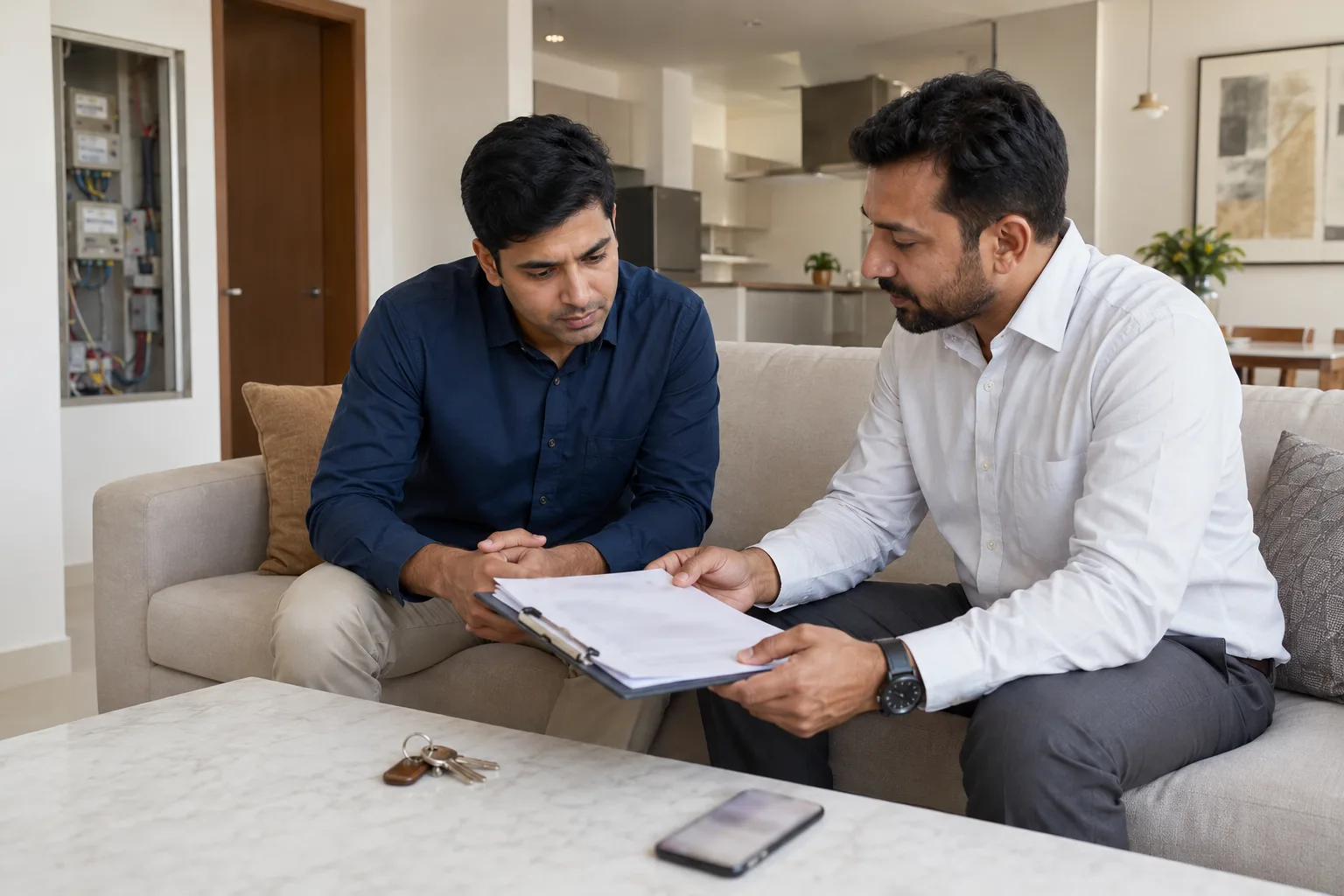
The rules for renting a house start before the tenant pays the security deposit. A renter should never pay a large amount without checking the owner, property documents, and agreement terms. If the paperwork looks unclear, speaking to experienced property lawyers in Bangalore can help prevent bigger disputes later.
Basic checks can prevent fraud, ownership disputes, and later pressure from the landlord. These checks also make rental laws in India easier to use if a problem arises later.
- Ask for ownership proof or authority proof before paying the deposit.
- Check whether the person signing has the right to rent the property.
- Confirm the owner name, full property address, monthly rent, and deposit amount.
- Add the notice period, maintenance charges, parking rights, and repair duties.
- Record the electricity meter reading and water meter reading during move-in.
- Prepare an inventory list for fittings, appliances, keys, furniture, and fixtures.
- Check whether local police verification or society approval is required.
Rental laws in India do not fully protect careless documentation. Good paperwork creates strong proof and helps the tenant act faster during disputes. In serious cases, renters may also need guidance on property disputes in Bangalore to understand the right forum and remedy.
Eviction protection under tenant rights in India
A landlord can evict a tenant only through legal process. The reason must usually fit the rent agreement, the applicable state law, or both.
Common eviction grounds include unpaid rent, expiry of tenancy, misuse of property, illegal subletting, serious damage, or genuine repair need. Some laws also allow eviction when the landlord needs the property for personal use.
Even then, the landlord should give proper notice before taking legal steps. If the tenant refuses to vacate, the landlord must approach the proper authority or court. Self-help eviction is risky and can create legal trouble for the landlord.
A landlord should not remove belongings, change locks, threaten the tenant, or disconnect basic services. Tenants should also avoid overstaying after the agreement ends, because the Model Tenancy Act framework may allow higher occupation charges in some cases.
Repairs, maintenance, and habitability
Tenant rights in India on repairs depend mainly on the rent agreement. Still, a rented home should remain safe and fit for normal living during the tenancy period. Clear repair clauses also help both sides follow practical house rent rules in India.
The landlord usually handles structural repairs, major plumbing, major electrical issues, and repairs not caused by the tenant. The tenant usually handles daily care, minor upkeep, and damage caused by careless use under common tenant rules.
If the landlord ignores essential repairs, the tenant should first send a written request and keep photos, videos, bills, and messages as proof. When repair issues turn into serious rental disputes, tenants can also seek guidance on property disputes in Bangalore before taking the next step.
A tenant should not stop rent suddenly without legal advice, because this can weaken the tenant’s position during a dispute. If the property becomes unsafe or unlivable, the legal remedy depends on the state law, rent agreement rules, and seriousness of the issue.
House rent rules in India vary by state
House rent rules in India are not identical in every state. This is why a clause that works in one city may not work the same way in another city.
Some states still use older rent control laws, while others have passed newer laws based on the Model Tenancy Act. For example, Tamil Nadu has an official Rent Authority system under its state tenancy law.
Other states may use different authorities, civil courts, rent controllers, or special forums. The safest approach is simple and practical. Read the agreement, check the state law, keep evidence, and take legal help before the dispute becomes serious.
Prashashtha Legal Brand Take
At Prashashtha Legal, we see one clear pattern in rental disputes. Most tenant problems are not only about law, but also about weak documentation. A tenant may be legally right but still struggle without proof, while a landlord may have a valid claim but lose time because the agreement has vague clauses.
Our view is simple and practical. Treat a rent agreement like a legal safety document, not a routine formality signed in a hurry. Before signing, test every clause against real life and ask what happens if you leave early, who pays for plumbing, when the deposit returns, and whether rent can increase during the term. Good answers prevent bad disputes and clear paperwork protects tenants, landlords, and the rental relationship from avoidable legal stress.
What tenant rights in India require during disputes

During a rental dispute, the tenant should stay calm and act in writing. Phone calls may help communication, but written records carry stronger value later.
A simple step-by-step approach can protect tenants’ rights. It also gives the landlord a fair chance to resolve the issue without legal action.
- Start with a clear written message to the landlord.
- Mention the issue, date, agreement clause, and expected solution.
- Attach photos, bills, screenshots, or payment proof where needed.
- Give a reasonable time for reply or correction.
- Avoid threats, abusive language, or sudden action.
- Send a legal notice if the landlord refuses to resolve the issue.
- Consult a lawyer before filing a complaint or case.
A legal notice often resolves deposit, eviction, repair, or service-related disputes without court. It creates pressure because it explains the facts, legal position, and expected action clearly. If the matter moves ahead, understanding the difference between lawyer notice and court notice can help tenants respond correctly.
Common mistakes tenants should avoid
Many tenants lose strong claims because they ignore simple proof. These mistakes can make even genuine tenant rights in India harder to enforce.
Renters should avoid these errors from the first day of tenancy. A little caution before signing can save months of stress later.
- Paying cash rent without receipts.
- Signing a blank or incomplete agreement.
- Not reading notice period clauses.
- Ignoring repair duties in the agreement.
- Leaving without written move-out notice.
- Not taking photos during move-in and move-out.
- Depending only on verbal promises.
- Delaying legal help after serious pressure or threats.
FAQs on tenant rights in India
Here are simple answers to the most common questions renters ask before signing, staying, or moving out. These FAQs also help tenants understand their legal position during common rental disputes.
1. What are renters rights in India?
Renters in India usually have the right to a written agreement, peaceful possession, rent receipts, basic services, privacy, and legal process before eviction. These rights can vary by state, so tenants should also check the local rental law and agreement terms.
2. Can a landlord evict a tenant without notice?
Usually, a landlord cannot evict a tenant without proper notice and legal process. If the tenant does not leave after notice, the landlord must approach the proper authority or court.
3. Can a landlord keep the full security deposit?
A landlord should not keep the full security deposit without a valid reason. Deductions usually apply only for unpaid rent, unpaid bills, or real damage beyond normal wear and tear.
4. Is an 11-month rent agreement valid in India?
Yes, an 11-month rent agreement is commonly used in India and can be valid if properly executed. It should still be stamped correctly, and longer leases may need compulsory registration.
5. Who pays for repairs in a rented house?
The answer depends on the agreement and the type of repair. Usually, the landlord handles major structural and essential repairs, while the tenant handles minor upkeep and tenant-caused damage.
6. Can a landlord enter a rented house anytime?
Usually, a landlord cannot enter a rented house anytime without informing the tenant. The rented home remains the tenant’s private space during the tenancy, so entry should need prior notice and a valid reason.
7. What should a tenant do if the landlord cuts electricity or water?
A tenant should immediately record the issue and send a written complaint to the landlord. If the service is not restored, the tenant should take legal advice and approach the proper authority or court.
8. What should tenants check before signing a rent agreement?
Tenants should check rent, deposit, notice period, repairs, maintenance, rent increase, lock-in period, and deposit refund terms before signing. They should also check owner details, property address, inventory, and payment method.
Final thoughts
Tenant rights in India give renters important protection against unfair eviction, deposit misuse, privacy violations, and blocked basic services. But these rights work best when documents, payments, and communication support the tenant’s position.
A clear rent agreement, payment proof, photos, inventory records, and written notices can save months of stress. They also make legal action stronger if the landlord refuses to act fairly.
If you face deposit issues, unfair eviction, repair disputes, blocked services, or unclear rent agreement rules, do not wait too long. Speak to Prashashtha Legal for practical legal guidance from trusted civil lawyers in Bangalore who can protect your rights and help you choose the right next step