

Essential Guide: Mutation of Property in Karnataka
Mutation of property is the process of updating government records to show the present holder of rights in a property after a change, such as sale, gift, inheritance, or partition. In Karnataka, this update appears as a Mutation Register (MR) entry and then reflects in the RTC (Record of Rights / Pahani) for land. For Bengaluru city properties, a similar administrative update happens through Khata or e-Khata in BBMP records.
Two truths matter:
- Your title flows from the registered deed or a court order, not from mutation.
- Mutation still matters because banks, buyers, and government offices rely on updated records for loans, taxes, and future transfers.
If your name does not reflect in the RTC/Khata even after you legally acquired the property, expect delays in loans and resale.
The legal basis and the official workflow
Karnataka’s mutation of the property system mainly follows the Karnataka Land Revenue Act, 1964 (Records of Rights: Sections 128, 129, 133, 136):
- The law expects a person who acquires rights in land (by purchase, inheritance, gift, partition, mortgage, lease, etc.) to report the acquisition.
- The prescribed officer must enter the change in the Register of Mutations, publish it for public notice, and inform interested persons.
- If someone objects, the officer records it as a dispute and conducts an inquiry before certifying the entry.
- A certified entry in MR/RTC carries a presumption of truth until someone proves otherwise.
- If you are affected by a certified entry or an inquiry order, the Act provides an appeal route with timelines.
Takeaway: the system gives a clear path in normal cases and a structured path in disputes.
Before the table, here’s how to avoid confusion: the record you need to update depends on whether your property sits in land records (RTC/MR) or municipal tax records (Khata).
| Situation | Record to update | Office/portal | What you should verify |
| Land (survey number based) | MR → RTC | Taluk office + Bhoomi | RTC shows your name/share |
| Inheritance in land | Pauti Khata / MR → RTC | Taluk/Village level | All heirs + shares correct |
| Bengaluru sites/apartments | Khata / e-Khata | BBMP systems | Khata in your name + taxes |
| Objection or dispute | MR + dispute inquiry | Revenue authority | Order + certified entry |
What most people get wrong about mutation

This section clears up the common myths that cause delays, rejections, and disputes during mutation. It also helps you understand what mutations can and cannot do underthe Karnataka revenue records.
Mutation is not the same as registration
Registration records the transaction. Mutation updates the revenue record after it. Many buyers assume the Sub-Registrar process finishes everything. It often triggers the report for mutation, but you should still check the status and ensure the entry gets certified and reflected in RTC.
Mutation is not the same as Khata transfer
People in Bengaluru commonly use “mutation” when they mean Khata transfer. Both update records, but they sit in different departments:
- RTC/MR: Revenue Department (land records)
- Khata/e-Khata: BBMP or other urban local bodies (tax records)
If you’re unsure which khata you have and why it matters, read our explainer on the difference between A Khata and B Khata.
Objections can delay even a genuine transfer
If an interested person objects, the officer must conduct an inquiry. If the issue has already turned into a conflict over boundaries, shares, or possession, see our overview of property disputes in Bangalore. This usually happens in:
- inheritance cases with unclear heir details
- partitions where shares or boundaries remain disputed
- survey number sub-division issues (phodi/hissa problems)
- pending civil suits or interim stay orders
Mutation cannot decide title disputes
Revenue authorities update records for administration. They do not decide complex title disputes like a civil court. If the dispute is serious, mutation becomes a mirror of the dispute, not the cure.
Documents required for the mutation of property in Karnataka

The exact list can vary by office and case type. These documents usually cover 90% of real cases for the mutation of property:
For sale, gift, or release
- Registered sale deed/gift deed/release deed (copy)
- Encumbrance Certificate (EC) in Karnataka for the relevant period
- Latest RTC (for land) or Khata extract/certificate (for city property)
- Latest tax paid receipt (land revenue/property tax)
- Aadhaar/ID proofs of the applicant(s)
- Sketch/measurement documents where survey sub-division exists (phodi cases)
For inheritance (death of the owner)
If the property was jointly held or the family is unsure about succession paperwork, start with our guide on the transfer of joint property on death.
- Death certificate
- Legal heir details (family tree/heir certificate as accepted locally)
- RTC/Khata + tax paid proof
- NOCs/affidavits if the office insists, especially where multiple heirs exist
- If a Will exists: a copy of the Will and supporting declarations, and be prepared for objections
From practice: small mismatches create big delays. Check spelling, survey number, extent, PID/ePID, and boundary descriptions before you submit.
How to do the mutation of property (step-by-step)
Use these steps as a practical checklist after a sale, gift, inheritance, or partition. It helps you avoid missed notices, document gaps, and name mismatches that slow down mutation in Karnataka.
Offline route (works for most cases)
- Keep your core legal document ready: deed, heir proof, partition deed, or court order.
- Collect supporting records: RTC/Khata, EC, and tax paid receipts.
- File the mutation request at the Taluk office (and complete any local verification).
- Track the MR number and the public notice stage.
- If no one objects, the officer certifies the entry and updates RTC.
- Download/collect the mutation extract and cross-check the updated RTC. Do this check as part of your mutation of property closure.
How to apply for the mutation of property online in Karnataka
Online systems help you mainly with tracking and extracting records. Some cases also allow online submission depending on the service type.
For land (MR/RTC) on Bhoomi
- Use the Bhoomi Mutation Status page.
- Select the district, taluk, hobli, village, and enter the survey number details.
- View status and, once available, use Bhoomi Mutation Extract to see/download the MR entry.
For Bengaluru city properties (Khata/e-Khata)
- Use the BBMP e-Aasthi portal (e-Khata and khata services) for khata-related services.
- Keep Aadhaar, registered deed copy, EC, property photos, and tax details ready.
- Track your application and resolve data-mismatch prompts fast.
Treat mutation as a risk-control step
After two decades in Bengaluru property practice, I see one pattern again and again: people treat mutation like paperwork and postpone it. Then they face trouble when they need a loan, a resale, or a family settlement.
My advice stays simple:
- Track the mutation of property soon after registration or inheritance. Early objections are easier to handle.
- Match deed, RTC/Khata, and ground reality. If they don’t match, fix the mismatch before you push the file.
- Don’t fight a title battle through mutation. Use the right forum: settlement, civil suit, or a decree where needed.
This mindset prevents disputes and saves months of running to offices.
Why mutation exists and why Karnataka is digitising it
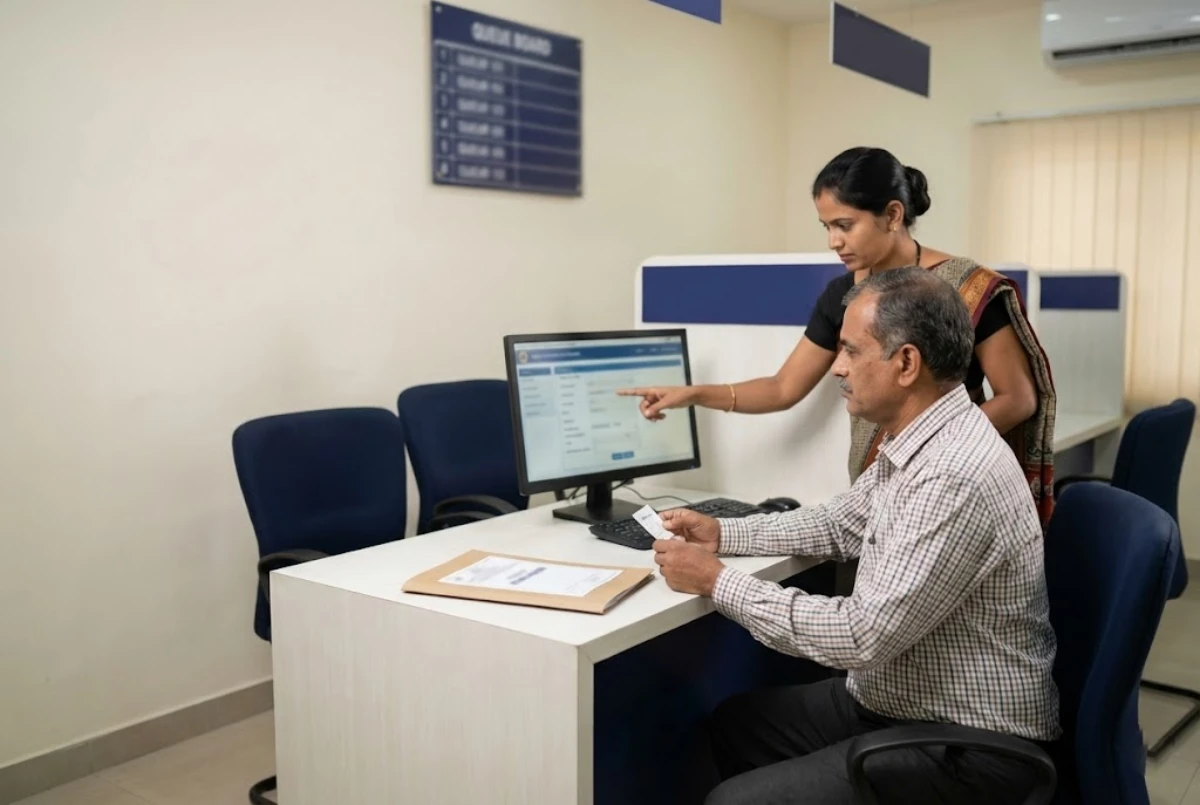
Mutation exists so the State can keep accurate records, collect land revenue or property tax, and deliver services based on updated ownership details. Karnataka’s Bhoomi system supports viewing RTC, mutation status, and mutation extracts online, while urban bodies like BBMP rely more on e-Khata and digital workflows. As automation increases, verification becomes more important: check your entries early and correct errors before they multiply.
FAQs (most asked in Karnataka)
1) What is the mutation of property?
It is the update of government records to reflect the current holder of rights after sale, gift, inheritance, or partition.
2) Is mutation mandatory in Karnataka?
For land records, you should treat it as essential. Without mutation, RTC stays in the old name, which creates practical and legal risk.
3) What documents are required for the mutation of property?
Usually: registered deed or heir proof, EC, RTC/Khata extracts, tax paid receipt, and ID proof. In inheritance, add the death certificate and heir details.
4) How to apply for the mutation of property online in Karnataka?
Use the Bhoomi portal’s Mutation Status/Mutation Extract tools with district, taluk, hobli, village, and survey number. For city property, use the BBMP e-Khata portals.
5) How long does mutation take in Karnataka?
Simple cases often move in a few weeks. Disputed cases take longer due to inquiry, notices, and orders.
6) Does the mutation of property prove ownership?
It supports your claim in records, but the title usually depends on registered documents and court findings. Treat the mutation of property as supporting evidence.
7) Can I correct a wrong mutation entry?
Yes. The land revenue framework provides appeal/revision routes for certified entries and inquiry orders. For complex title disputes, civil court remedies may be needed.
Talk to an advocate before the delay turns into a dispute
If your mutation of property is stuck, rejected, or disputed, you need clarity, not multiple trips to offices. Prashastha Legal supports you through documentation, objections, and revenue inquiries, and also steps in when the matter needs civil remedies.
- Explore our Property Lawyers in Bangalore services for mutation, khata, and property record issues.
- If the dispute needs a suit or injunction, our Civil Lawyers in Bangalore can guide you on the right forum and relief.
Your pain point is usually one of these: name mismatch, missing heir details, a sudden objection, or a buyer/bank refusing the file due to outdated records. Don’t wait for the problem to snowball. Contact Prashastha Legal to get a clear plan and close the mutation correctly.