

What Is Civil Litigation in India? Essential Guide
Understanding what is civil litigation helps individuals and businesses know how legal disputes are resolved through civil courts in India. Civil litigation is the legal process used to settle disputes involving property ownership, contracts, unpaid money, inheritance, tenancy, and other civil rights. It allows individuals, families, and businesses to seek legal remedies such as compensation, injunctions, recovery of money, or protection of their legal rights through the court.
In India, ordinary civil suits are mainly governed by the Code of Civil Procedure, 1908, or CPC. Courts may grant compensation, recovery, injunctions, declarations, partition, possession, or specific performance. Civil litigation usually focuses on rights and remedies rather than punishment.
What Is Civil Litigation Meaning in India?
Civil litigation is the formal process of enforcing, protecting, or defending a civil right before a court or another legally authorised forum. It may begin after private negotiation fails and one party seeks legal relief.
The civil litigation definition is broader than simply filing a lawsuit. It can include notices, pleadings, interim applications, evidence, hearings, judgment, appeal, and execution of a decree. The exact route depends on the dispute and applicable law.
The CPC is the main procedural framework for ordinary civil suits. Section 9 recognises civil-court jurisdiction over suits of a civil nature unless that jurisdiction is expressly or impliedly barred.
What Types of Disputes Come Under Civil Litigation?
Civil litigation covers many private disputes, but the correct forum and remedy depend on the right involved. A property dispute, consumer complaint, commercial suit, and family matter may follow different legal routes.
Common matters include:
- Property ownership, possession, partition, title, and boundary disputes
- Breach of contract and specific performance claims
- Recovery of loans, invoices, or other unpaid dues
- Landlord and tenant disputes
- Succession, inheritance, and family property disputes
- Civil defamation and other civil wrongs
- Partnership and business disputes
- Injunction claims to prevent legal harm
Not every civil dispute belongs in an ordinary civil court. Consumer matters may go before Consumer Commissions, some real-estate disputes may go before RERA authorities, and contractual disputes may be subject to arbitration.
Readers who need local representation can review Prashastha Legal’s civil lawyers in Bangalore page.
Civil Litigation Process in India Step by Step

The civil litigation process usually moves from case assessment and filing to pleadings, evidence, judgment, and enforcement. Urgent relief, settlement, specialised laws, or appeals can change the sequence.
1. Review the facts and legal remedy
Start by identifying the legal right that has been violated and the result you need. The remedy may involve recovery, possession, declaration, injunction, partition, damages, or specific performance.
Collect relevant contracts, deeds, invoices, bank records, messages, notices, photographs, and previous orders. Good records make it easier to assess the strength of a claim.
2. Check jurisdiction and limitation
A case must be filed before a court with the correct territorial, pecuniary, and subject-matter jurisdiction. Property disputes are often linked to where the property is situated, while other suits may depend on where the defendant resides or where the cause of action arose.
The Limitation Act, 1963 sets different filing periods for different claims. There is no single deadline for every civil case, so the correct limitation period and starting date must be checked before filing.
3. Send a legal notice where appropriate
A legal notice can record the claim, state the relief demanded, and give the other party a chance to respond. It is useful in many disputes, but it is not automatically mandatory in every civil case.
Some laws create specific requirements. For example, Section 80 CPC generally requires prior notice before certain suits against the Government or a public officer. Prashastha Legal’s guide explaining what a legal notice is and how it works provides more detail on this stage.
4. File the plaint
An ordinary civil suit begins with a plaint setting out the material facts, cause of action, jurisdiction, valuation, and relief claimed. Supporting documents and applicable court fees must also be filed.
If the plaint is in order, the court registers the matter and issues summons to the defendant. The plaintiff may also seek interim relief, such as a temporary injunction, when urgent protection is needed.
5. Written statement and issues
The defendant responds through a written statement, admitting or denying allegations and raising legal defences. The court then identifies the main questions of fact and law that need a decision.
These questions are called issues. They guide the evidence and arguments that follow.
6. Evidence, arguments, and judgment
The parties produce documentary and oral evidence, and witnesses may be examined and cross-examined. In civil cases, the standard is generally preponderance of probabilities, meaning the court decides which version is more probable on the evidence. The Supreme Court has repeatedly recognised this standard in civil proceedings.
After evidence closes, the parties present final arguments. The court then delivers judgment and may draw up a decree recording the relief granted.
7. Execution or appeal
A favourable judgment may still require execution if the losing party does not comply. Execution can be necessary to recover money, obtain possession, or enforce another part of the decree.
A party may also have a right of appeal, review, or revision, depending on the order, decree, forum, and applicable law. These remedies have separate conditions and deadlines.
Civil Litigation vs Criminal Litigation

Civil and criminal proceedings serve different purposes, although one incident can sometimes create both kinds of legal consequences. Civil cases focus on private rights and remedies, while criminal cases deal with offences and punishment.
| Point | Civil Litigation | Criminal Case |
| Purpose | Enforce civil rights | Prosecute an offence |
| Parties | Plaintiff and defendant | State and accused |
| Result | Damages, injunction, recovery, declaration | Conviction, acquittal, sentence |
| Proof | Preponderance of probabilities | Beyond reasonable doubt |
For a fuller explanation, see Prashastha Legal’s guide on the difference between civil law and criminal law. The same property or business dispute can sometimes have a separate criminal aspect if facts such as alleged forgery, cheating, or threats are involved.
When Is Pre-Institution Mediation Required?
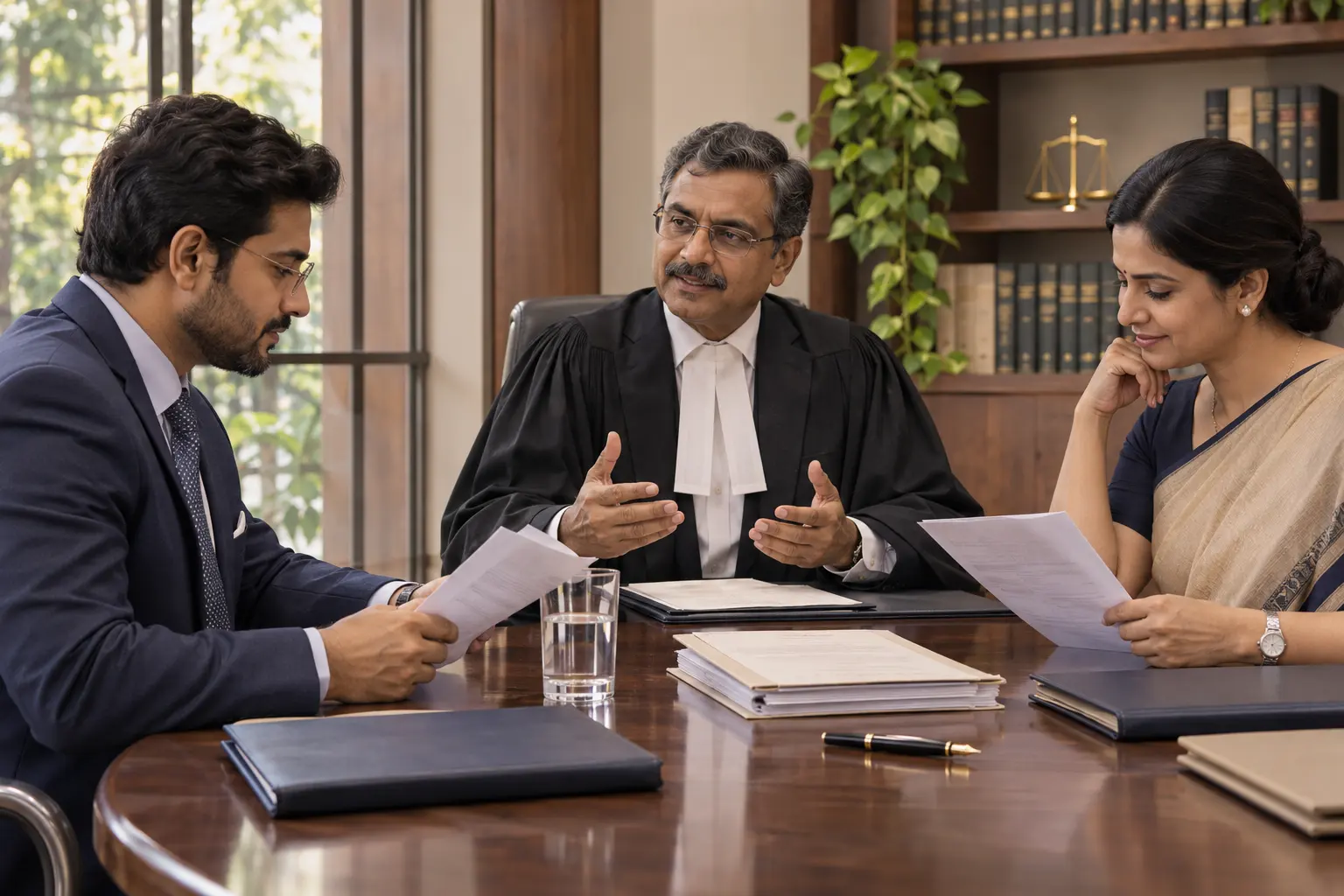
Settlement is sometimes more than an informal choice. Certain disputes have a structured pre-filing requirement before the court can proceed.
Section 12A of the Commercial Courts Act, 2015 requires pre-institution mediation for specified commercial suits that do not contemplate urgent interim relief. Parties should therefore check the nature and value of the dispute, contractual clauses, and need for urgent protection before filing.
How Long Does Civil Litigation Take in India?
There is no single reliable timeline because duration depends on the court, complexity, number of parties, service of summons, evidence, interim applications, adjournments, settlement efforts, appeals, and execution. A simple matter may move faster, while a heavily contested property or commercial dispute may take much longer.
A realistic estimate should separate the trial stage from appeal and enforcement. Even after a decree, extra proceedings may be needed before the successful party receives the practical benefit of the judgment.
Prashastha Legal’s Take on Civil Litigation
The strongest civil cases usually begin with disciplined preparation, not rushed filing. Before going to court, identify the exact right, correct party, correct forum, limitation period, evidence, and practical remedy you actually need.
Litigation may be necessary when rights need immediate protection, but negotiation, mediation, arbitration, or another forum may sometimes be more practical. The aim should be to protect the legal position without creating avoidable cost or delay.
Conclusion
Civil litigation is the process used to resolve non-criminal disputes and enforce private rights through courts or other authorised forums. It can involve notices, pleadings, evidence, interim orders, judgment, appeals, and execution.
If you face a property, contract, recovery, inheritance, tenancy, or business dispute, early legal review can help identify the right forum, limitation period, evidence, and remedy. Prashastha Legal can help explain the civil-law options that may apply to your circumstances.
Frequently Asked Questions About What is civil litigation
These are common questions people ask when trying to understand civil litigation meaning and the civil litigation process in India. The correct answer may vary with the facts and applicable law. Similar questions recur across current Indian civil-litigation search results and legal FAQs.
1. What is civil litigation in simple words?
Civil litigation is the process of resolving a non-criminal legal dispute through a court or authorised forum. It usually concerns money, property, contracts, possession, inheritance, business rights, or other private legal obligations.
2. What is the first step in civil litigation?
Identify the legal right, collect relevant documents, check limitation, and determine the correct forum and remedy. A notice or settlement attempt may follow, but neither is compulsory in every case.
3. Is a legal notice compulsory before filing a civil case?
No, not in every case. A notice may be useful or legally required in specific matters, including certain suits against the Government.
4. What documents are needed for a civil case?
Common records include agreements, property papers, invoices, bank statements, notices, correspondence, payment proof, photographs, electronic communications, and earlier court or authority orders. The exact list depends on the dispute.
5. How long does a civil case take in India?
There is no fixed duration. Court workload, complexity, evidence, number of parties, interim applications, settlement, appeals, and execution can all affect the timeline.
6. Can a civil dispute be settled outside court?
Yes. Negotiation, mediation, Lok Adalat, or arbitration may be available depending on the dispute. Some commercial suits may also require pre-institution mediation before filing.
7. What relief can a civil court grant?
Depending on the case, a civil court may grant damages, recovery, possession, declaration, partition, specific performance, or temporary or permanent injunctions. The remedy must match the legal right and facts.
8. Can the same dispute have civil and criminal proceedings?
Yes, sometimes. A civil dispute may concern money or property while separate allegations such as forgery, cheating, or threats may raise criminal issues that require independent assessment.
