

What Is a Legal Notice and How to Send It
A legal notice helps you raise a formal legal demand before taking the matter to court. It gives the other person a chance to resolve the issue, reply clearly, or settle the dispute before it becomes a bigger legal problem.
It also creates a written record of your claim, demand, and timeline. This matters when the dispute involves money recovery, property issues, contract breach, cheque bounce, employment concerns, or any matter where proof can affect the next legal step. It is always better to file a legal notice with a lawyer, so the notice is drafted correctly and your legal position stays protected.
What Is a Legal Notice?
A legal notice is a formal written communication. It tells another person about your legal claim. It also asks them to act, stop an act, pay money, return property, or fix a dispute.
People send legal notices for unpaid dues, property disputes, tenancy issues, and contract breaches. They also use them for employment, consumer disputes, family matters, and cheque bounce disputes.
A legal notice does not start a court case by itself. It usually comes before litigation. It gives the other side a final chance to settle the matter.
How to Send Legal Notice in India

To send a legal notice in India, collect your facts, documents, dates, and proof first. Then ask an advocate to review the dispute and draft a clear notice. The notice should mention the sender, receiver, facts, legal basis, demand, reply period, and warning of legal action. After review, send it through registered post acknowledgment due, speed post, courier, email, or another suitable mode.
The safest way to understand how to send legal notice is simple. Draft it clearly, send it to the correct address, and keep proof of dispatch and delivery. A legal notice by advocate can create pressure for settlement before court. In some matters, it also protects strict legal timelines.
A legal notice is not always compulsory. It depends on the case. For example, notice is usually required before suing the Government under Section 80 CPC. A cheque bounce demand notice also has strict timelines under Section 138 of the Negotiable Instruments Act.
Why Sending a Legal Notice Matters
A well-drafted notice records your version of events. It tells the other side that you are serious. Courts may also look at it later. This is why the facts, dates, and demands should be accurate from the start. A clear notice can also reduce back-and-forth confusion because both sides know the exact issue and expected action.
For businesses, a proper legal notice format reduces confusion. It avoids vague calls, angry messages, and weak demands. It also helps preserve a professional record of the dispute. This is useful in payment recovery, service disputes, vendor issues, and contract breaches where written proof matters
How to Send Legal Notice to Someone
If you are asking how to send legal notice to someone, start with the basics. Do not send threats. Do not exaggerate facts. Do not write anything that you cannot prove later.
Use this simple process:
- Identify the dispute clearly.
- Collect contracts, invoices, emails, chats, bank proofs, and IDs.
- Confirm the full name and address of the recipient.
- Consult an advocate for legal review.
- Draft the notice with facts and legal demands.
- Review the legal notice format before dispatch.
- Send it through a trackable mode.
- Keep proof of dispatch, delivery, and reply.
You can send a notice yourself in many private disputes. Yet a legal notice by advocate carries more seriousness. It also reduces drafting errors.
How to Draft a Legal Notice Properly

Many people search how to draft a legal notice because they want a ready format. A format helps, but facts matter more. A copied notice can harm your case if it uses the wrong law.
Follow these points while drafting a legal notice:
- Mention the sender and receiver details clearly. Add the full name, address, and contact details where needed.
- Add a clear subject line. The reader should understand the purpose of the notice at once.
- Write the facts in date-wise order. Explain what happened, when it happened, and how the other person failed to act.
- Mention the legal grounds or contract terms. Add the documents, agreement clauses, or legal rights that support your demand.
- State your demand clearly. This may include payment, return of property, stopping an action, correcting a breach, or giving a written reply.
- Give a reasonable reply period. The time depends on the dispute and legal requirement.
- Add a warning about legal action. This should be firm, but not threatening or abusive.
- Add advocate details and signature if an advocate drafts the notice.
Keep the language firm and respectful. Avoid insults and emotional claims. A notice should sound serious, not angry.
Legal Notice Format You Can Understand
There is no single legal notice format for every case. A rental dispute notice will not match a cheque bounce notice. A property notice will not match a consumer complaint.
Still, most notices usually include the date, receiver name, receiver address, and a clear subject line. The notice then explains the facts in a proper order, mentions the legal basis, and states the exact demand.
A complete legal notice also gives a reply deadline and warns about legal action if the issue is not resolved. If an advocate sends it, the notice should include the advocate’s details and signature.
Attach copies of key documents only when needed. Do not attach sensitive papers unless your advocate advises it.
Legal Notice by Advocate or Self Drafting

You can draft a notice yourself in simple matters. But it may not be wise when money, property, reputation, or strict timelines are involved.
A legal notice by advocate helps in four ways. The advocate checks the legal basis. They frame the demand correctly. They avoid harmful admissions. They also choose the right delivery method.
This matters more in cheque bounce, property, employment, partnership, defamation, and family disputes. These cases often have hidden risks.
If you are unsure how to draft a legal notice, speak to a lawyer before sending it. A weak notice can create problems later.
Best Ways to Send a Legal Notice
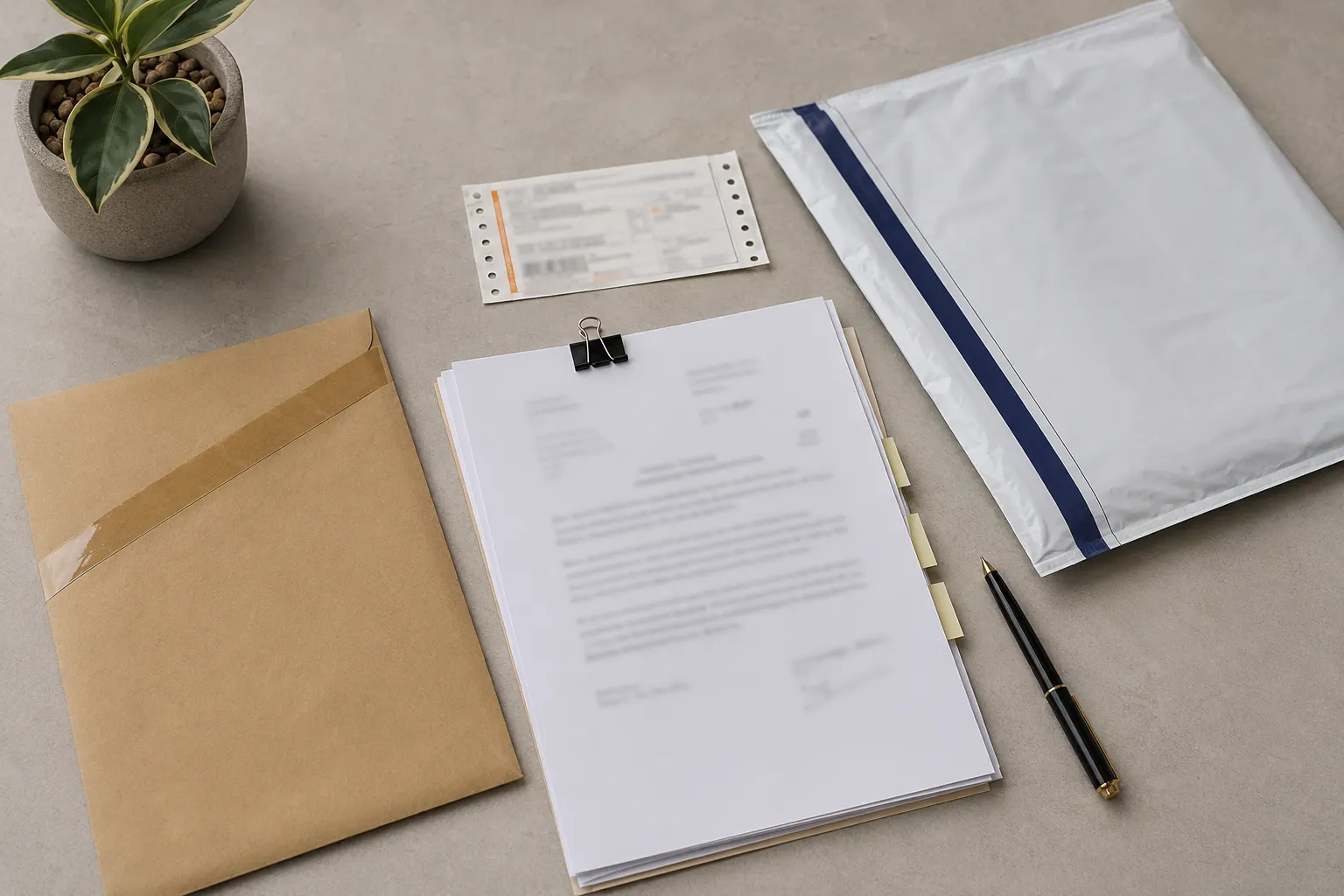
The goal is not just sending. The goal is proving that you sent it properly.
| Sending Mode | Best For | Proof You Should Keep |
| Registered post AD | Most civil disputes | Postal receipt and acknowledgment |
| Speed post | Fast delivery | Tracking slip and status report |
| Courier | Business disputes | Courier receipt and delivery proof |
| Extra support proof | Sent email and delivery trail | |
| Supplementary use only | Screenshot and delivery indicators |
Registered post acknowledgment due remains a strong option. You can also check delivery status through India Post Track and Trace. Email or WhatsApp may support service, but do not rely on them alone unless law permits it.
Timelines You Should Know
Timelines depend on the type of dispute. In many civil disputes, the reply period often ranges from 7 to 15 days. In some matters, 30 days may be reasonable, especially when the issue needs document review or settlement discussion.
Cheque bounce cases follow stricter rules. The payee must usually send a written demand notice within 30 days of receiving bank intimation. The drawer then gets 15 days from the date of notice receipt to make the payment.
For suits against the Government or public officers, Section 80 CPC usually requires two months notice before filing the case. Urgent matters may need court permission, so do not guess timelines. A missed deadline can affect your legal remedy.
Common Mistakes to Avoid
Many legal notices fail because people rush the drafting process. A notice should not be sent without checking the documents, facts, dates, and legal basis. False facts, abusive language, or unrealistic demands can weaken your position instead of helping it.
It is also important to send the notice to the correct name and address. Do not ignore limitation periods or legal deadlines, especially in cheque bounce, property, and government-related matters. Anything written in the notice may later become evidence, so every line should be clear, accurate, and carefully reviewed.
Prashastha Legal Take
A legal notice is not just a warning letter. It is a strategy document that should protect your position, create room for settlement, and prepare the case if talks fail.
At Prashastha Legal, we believe the best notices do not shout. They organize facts, show legal strength, and give the other side a reasonable path to resolve the issue.
Each dispute needs a different notice strategy. Property, cheque bounce, consumer, family, and civil matters cannot use the same approach, because the facts, timelines, and legal risks are different.
When Should You Send a Legal Notice?
Send a notice when the dispute is serious enough to record formally. This includes unpaid money, broken contracts, property interference, refund refusal, harassment, false claims, or ignored obligations.
Do not send it for every small disagreement. Use it when talks have failed or risk is increasing. A legal notice works best when the issue needs a formal record and clear action.
If you received a notice, read it fully. Collect documents. Then get legal advice before replying. A careful reply can protect your position and avoid unnecessary mistakes
Documents Needed Before Drafting
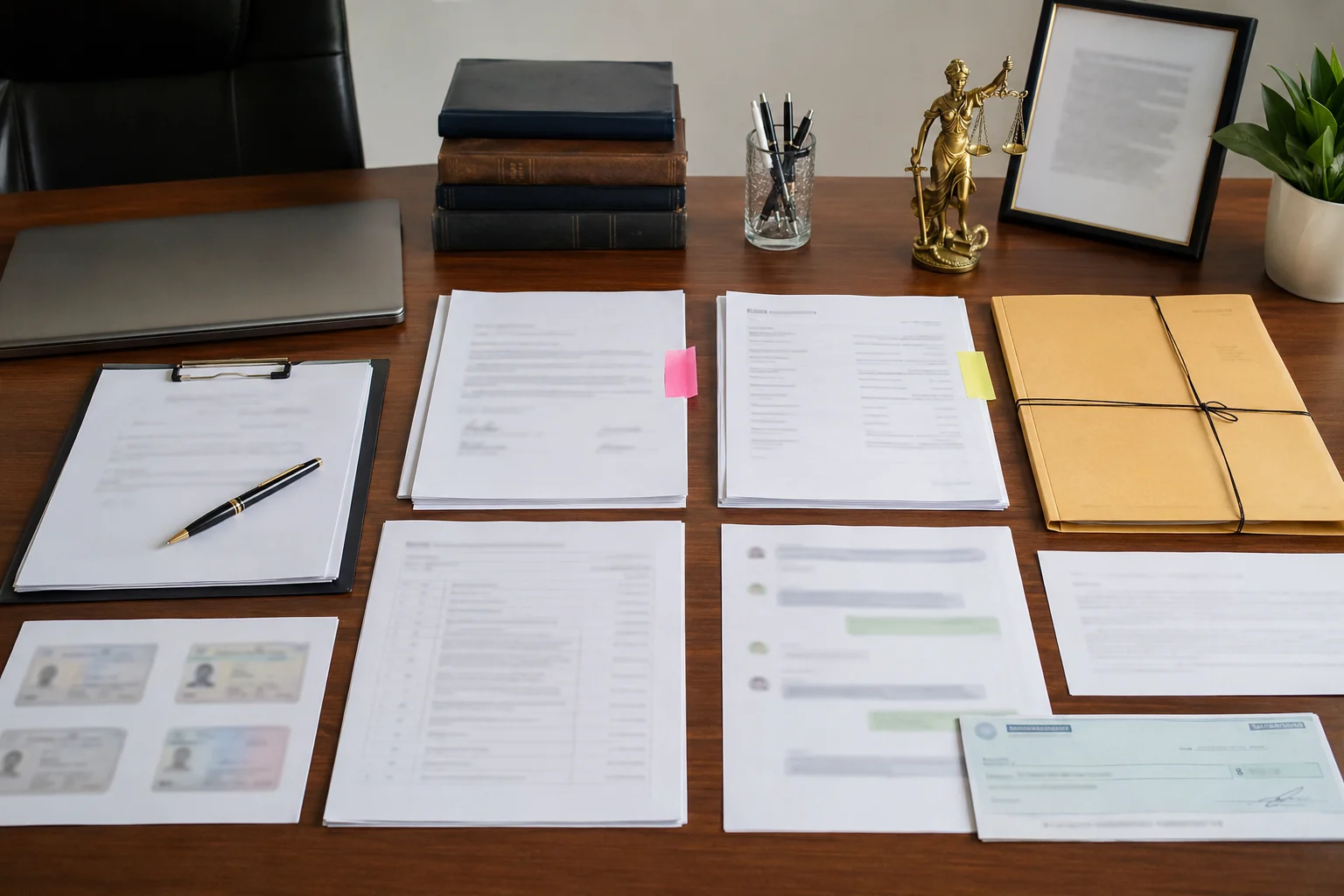
Keep important documents ready before drafting. These may include IDs, agreements, invoices, payment proof, emails, chats, property papers, complaints, and earlier replies.
For cheque bounce, keep the cheque and bank return memo safe. For property disputes, keep title papers and communication records ready. Emails, screenshots, and digital files may also matter as electronic records.
The better your documents, the stronger your notice. Facts without proof can weaken the claim.
FAQs on How to Send Legal Notice
Many people have common questions about what is a legal notice, how to send legal notice to someone, and when to use a proper legal notice format. These answers explain the basics in simple terms, including how to draft a legal notice, when to consult an advocate, and what steps to take before sending it.
These short answers also help you understand timelines, delivery proof, advocate support, and common mistakes before you send a legal notice.
1. How do I send a legal notice to someone in India?
Draft the facts, demand, and reply deadline. Then send it through registered post, speed post, courier, or email. For serious matters, ask an advocate to send it.
2. Is an advocate required to send a legal notice?
An advocate is not required in every private dispute. Still, a legal notice by advocate is safer for money, property, cheque bounce, defamation, family issues, or deadlines.
3. What is the correct legal notice format?
A legal notice format usually includes date, receiver details, subject, facts, legal grounds, demand, reply period, warning, and signature. The format changes by dispute.
4. Can I send a legal notice by WhatsApp or email?
You may use email or WhatsApp as supporting modes. For safer proof, also send the notice by registered post or speed post.
5. What happens after sending a legal notice?
The receiver may comply, reply, deny the claim, ask for settlement, or ignore it. Your advocate can then suggest the next legal step.
6. How many days should I give for a legal notice reply?
For many civil disputes, 7 to 15 days is common. Cheque bounce and government notices follow specific legal timelines.
Final Thoughts
Knowing how to send legal notice helps you act with clarity before taking the matter to court. A strong notice can help recover money, stop wrongful action, protect property, or open settlement talks when direct communication has failed.
If you are unsure how to send legal notice to someone, do not rely on random formats. Get the facts checked first, because wrong wording, missing proof, or missed deadlines can weaken your legal position.
Prashastha Legal can review your dispute, draft a proper legal notice, and guide you on dispatch and next steps. If delay, wrong wording, or legal deadlines are worrying you, consult us before the issue becomes harder to fix.